
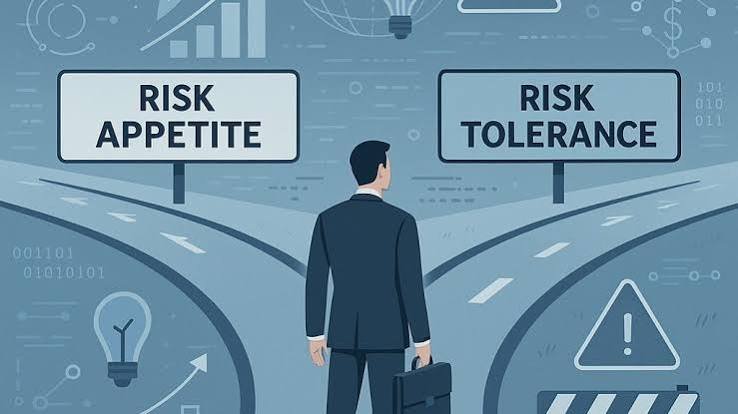
Every business faces uncertainty; risk tolerance is a technique that makes your bussiness stable. Markets change, customer needs shift, technology moves quickly, and competitors constantly look for ways to gain an advantage. In this environment, businesses that avoid every possible risk often struggle to grow. On the other hand, companies that take careless risks may face financial losses or damage their reputation. The key is finding the right balance.
Risk tolerance has become much more than a financial concept. It is now a business strategy that helps companies decide how much uncertainty they are willing to accept while working toward their goals. Organizations with a clear understanding of their risk tolerance make better decisions, respond faster to change, and create stronger long-term plans.
This article explains why risk tolerance is becoming a strategic business asset, how it affects different parts of an organization, and what leaders can do to build a healthy approach to managing risk. Whether you own a small business, lead a growing company, or simply want to understand modern business strategies, this guide will help you see why risk tolerance matters more than ever.
Click here for ultimate strategies: Business Strategy Consulting: Powerful Business Growth Guide
What Is Risk Tolerance?
Risk tolerance is the level of uncertainty or potential loss that a business is willing to accept while trying to achieve its objectives. Every company has different goals, resources, and market conditions, so risk tolerance varies from one organization to another. Some businesses prefer slow and steady growth, while others accept higher risks to achieve faster results.
Having a defined level of risk tolerance helps leaders make decisions with confidence. Instead of reacting emotionally to challenges, they rely on clear guidelines that match the company’s strategy. This approach creates consistency across departments and helps everyone understand how decisions should be made.
Why Businesses Can No Longer Avoid Risk
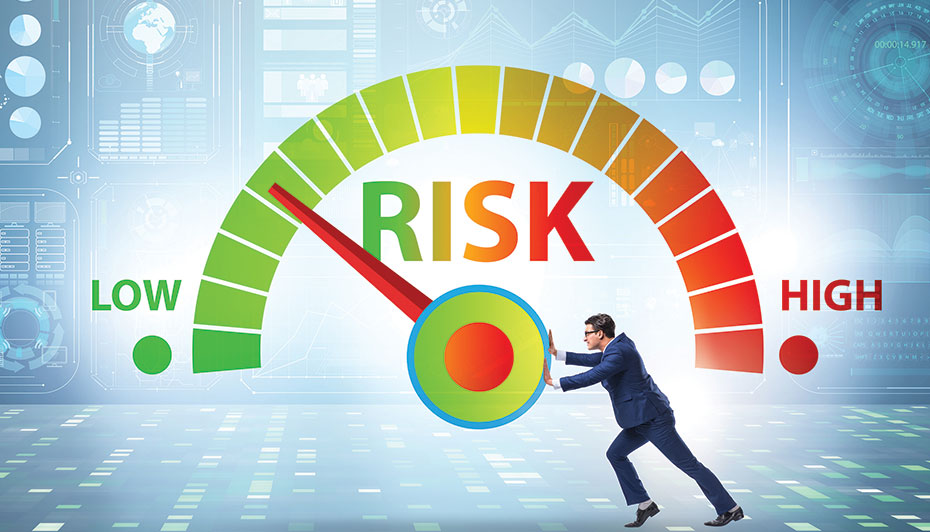
The business world changes much faster than it did just a few years ago. New technologies, changing customer expectations, economic uncertainty, and global competition create situations where avoiding risk completely is almost impossible. Companies that refuse to adapt often lose opportunities to businesses that move more quickly.
Instead of trying to remove every possible risk, successful organizations focus on understanding which risks are worth taking. This mindset allows them to grow while keeping potential losses under control. Smart risk-taking often becomes a competitive advantage rather than a weakness.
Risk Tolerance Is More Than Risk Management
Many people think risk tolerance and risk management are the same thing, but they are different. Risk management focuses on identifying, reducing, and monitoring risks. Risk tolerance defines how much risk an organization is willing to accept before action is needed.
When both concepts work together, businesses become stronger. Risk management provides the tools to measure threats, while risk tolerance helps leaders decide whether those threats fit within the company’s overall strategy. Together, they support better planning and stronger decision-making.
Why Risk Tolerance Is Becoming a Strategic Business Asset
Modern businesses compete in environments where quick decisions matter. Companies that clearly understand their acceptable level of risk can act faster because they already know the limits within which they can operate. This saves time and reduces uncertainty during important decisions.
Risk tolerance also supports innovation, investment, hiring, expansion, and digital transformation. Instead of delaying every decision due to fear, organizations evaluate opportunities using predefined standards. This creates confidence across leadership teams and improves business performance over time.
Better Decision-Making Across the Organization
One of the biggest advantages of having a defined risk tolerance is improved decision-making. Employees and managers know how much flexibility they have when solving problems or evaluating new opportunities. This reduces confusion and creates more consistent decisions across departments.
When everyone understands the company’s approach to risk, fewer decisions depend only on personal opinions. Leaders can compare opportunities using measurable factors such as financial impact, operational challenges, customer satisfaction, and long-term business value.
Supporting Innovation Without Being Careless
Innovation always involves uncertainty. A new product may fail, a new market may not respond as expected, or a new technology may not produce immediate results. Businesses that reject every uncertain opportunity often fall behind competitors that continue improving their products and services.
Risk tolerance allows organizations to support innovation while maintaining reasonable limits. Teams can test ideas, gather customer feedback, and improve products without exposing the entire business to unnecessary losses. This balanced approach encourages creativity while protecting company resources.
Building Stronger Business Strategies
Business strategy is about making choices that shape the future of an organization. Every important decision includes some level of uncertainty. Whether expanding into another country, launching new services, or investing in automation, leaders must decide how much risk they are willing to accept.
Companies with clearly defined risk tolerance build strategies that are realistic and sustainable. Instead of chasing every opportunity, they focus on projects that match their long-term objectives. This improves resource allocation and increases the chances of long-term success.
Helping Businesses Respond Faster to Change
Unexpected events can affect any business. Economic downturns, supply chain disruptions, changing regulations, or shifts in customer behavior require quick responses. Organizations without a clear understanding of their risk tolerance often spend too much time debating their next move.
Businesses with established risk guidelines respond more efficiently because decision-makers already know which actions fall within acceptable limits. This ability to respond quickly helps companies reduce disruption and recover faster from unexpected challenges.
Improving Financial Planning
Financial planning always involves balancing risk and reward. Companies regularly decide how much to invest in growth, technology, marketing, research, and employee development. Every investment carries some uncertainty, making risk tolerance an important part of financial planning.
Organizations that understand their financial risk tolerance create budgets that support growth without placing unnecessary pressure on cash flow. They are also better prepared for unexpected expenses because they include risk planning within their financial strategy.
Creating Confidence Among Investors
Investors want businesses that understand both opportunities and potential risks. They are generally more comfortable investing in organizations that demonstrate disciplined decision-making rather than companies that react impulsively to market changes.
A well-defined risk tolerance framework shows investors that leadership understands uncertainty and has processes for managing it. This can improve investor confidence and strengthen relationships with shareholders, lenders, and business partners.
Strengthening Company Culture
Risk tolerance also affects workplace culture. Employees perform better when they understand what is expected and know they can make responsible decisions without fear of unnecessary punishment for every mistake. This creates a healthier working environment.
Organizations that encourage calculated risk-taking often develop cultures focused on learning and continuous improvement. Employees become more willing to suggest ideas, solve problems, and contribute to business growth because they know thoughtful decisions are supported.
Risk Tolerance and Digital Transformation
Digital transformation has become a priority for many businesses. Companies invest in cloud computing, artificial intelligence, automation, cybersecurity, and data analytics to improve efficiency and customer experience. These investments involve uncertainty because technology changes quickly.
Businesses with appropriate risk tolerance evaluate digital opportunities carefully instead of avoiding them completely. They understand that waiting too long can create larger problems than making carefully planned technology investments today.
Cybersecurity Requires Smart Risk Decisions
Cybersecurity is one area where risk tolerance plays a major role. No company can remove every cyber threat, but every organization must decide how much risk it can reasonably accept while protecting customers and business operations.
Businesses develop cybersecurity strategies based on their assets, customer information, industry regulations, and available resources. A realistic understanding of risk tolerance helps organizations invest wisely in security measures without overspending on unnecessary controls.
Risk Tolerance in Small Businesses
Small businesses often have limited resources, making every decision more important. Owners frequently balance growth opportunities with financial stability, requiring careful consideration of acceptable risk levels. Even a single investment decision can significantly affect future operations.
Clear risk tolerance helps small business owners prioritize projects that match their goals and available resources. Instead of making decisions based only on emotions or market pressure, they use structured thinking that supports steady business growth.
Large Organizations Also Benefit
Large companies face different challenges because they manage multiple departments, products, and international operations. Risk tolerance helps maintain consistency across business units and ensures leadership teams make decisions that support company objectives.
Without shared risk guidelines, departments may take very different approaches to similar situations. A common understanding of acceptable risk improves coordination, strengthens governance, and supports better communication throughout the organization.
Common Mistakes Businesses Make
Some businesses avoid all risks, believing this guarantees safety. Unfortunately, avoiding every uncertain opportunity often limits innovation, slows growth, and weakens competitiveness. Excessive caution can become a serious business disadvantage.
Other organizations make the opposite mistake by accepting risks without proper analysis. This can lead to financial losses, damaged customer trust, regulatory problems, or failed projects. Healthy risk tolerance means balancing opportunity with careful planning.
How Businesses Can Build a Healthy Risk Tolerance
Developing effective risk tolerance requires thoughtful planning rather than guesswork. Leaders should begin by identifying business goals, financial capacity, market conditions, and legal responsibilities. These factors help determine which risks support growth and which should be avoided.
Organizations should review their risk tolerance regularly because business conditions change over time. Leadership teams should also communicate expectations clearly so employees understand how risk affects daily decisions and long-term planning.

The Role of Leadership
Business leaders play a major role in shaping risk tolerance. Their decisions influence company culture, investment strategies, hiring, innovation, and customer relationships. Employees often follow the example set by senior management when making their own decisions.
Strong leaders encourage informed decision-making instead of rewarding reckless behavior or excessive caution. They create an environment where risks are evaluated carefully, lessons are learned from experience, and continuous improvement becomes part of everyday business operations.
Measuring Success
Businesses should regularly evaluate whether their approach to risk supports company objectives. Performance indicators may include revenue growth, project success rates, customer satisfaction, operational efficiency, and financial stability. These measurements help determine whether current risk tolerance remains appropriate.
Regular reviews also allow businesses to adjust their strategy as markets change. A company entering a new industry may require different risk guidelines than one focusing on maintaining existing operations. Flexibility keeps risk tolerance aligned with business priorities.
The Future of Risk Tolerance
As technology continues to change industries and customer expectations evolve, businesses will face new forms of uncertainty. Artificial intelligence, automation, environmental challenges, and changing regulations will require organizations to make more strategic decisions than ever before.
Companies that treat risk tolerance as an important business asset will likely adapt more effectively to future challenges. They will be better prepared to identify opportunities, manage uncertainty, and make decisions that support long-term growth without exposing the organization to unnecessary danger.
The Importance of Risk Awareness Training
Many businesses invest in technology, equipment, and marketing, but they often overlook employee education about risk. Risk awareness training helps staff recognize situations that could affect business performance before they become major problems. This training is not limited to managers or executives. Employees at every level make decisions that can influence customer satisfaction, financial performance, workplace safety, and business operations. When workers understand how to identify possible risks and report them quickly, organizations become more prepared for unexpected situations. Training also improves communication because employees know who should be informed when they notice a concern. Instead of reacting after a problem has already caused damage, businesses can take early action that reduces costs and protects important resources.
Risk awareness programs should include practical examples that match daily work activities rather than relying only on company policies. Interactive workshops, case studies, and team discussions often help employees understand real-life situations better than lengthy presentations. Businesses should also encourage open communication so employees feel comfortable raising concerns without worrying about blame. This creates a workplace where people actively contribute to preventing problems instead of hiding mistakes. As industries continue to change, regular training updates become equally important because new technologies, regulations, and customer expectations introduce different types of business risks.
Companies that make risk awareness part of their learning culture often notice stronger teamwork, faster reporting of issues, and better overall business performance. Educated employees become an extra layer of protection because they can identify warning signs that automated systems may not detect. Over time, this creates a more responsible workforce that supports business stability while helping leaders make informed decisions based on accurate information gathered from across the organization.
How Business Partnerships Influence Risk Decisions
Every business depends on relationships with suppliers, service providers, distributors, and strategic partners. These partnerships create opportunities for growth but also introduce risks that may affect business performance. A reliable supplier can improve product quality and delivery times, while an unreliable partner may cause delays, higher costs, or customer dissatisfaction. Because of this, businesses should carefully evaluate potential partners before signing agreements. Factors such as financial stability, industry reputation, legal compliance, customer reviews, and operational reliability all deserve careful attention.
Businesses should also establish clear contracts that define responsibilities, performance expectations, payment terms, and methods for resolving disputes. Regular communication with partners helps identify problems early and allows both sides to work together on practical solutions. Monitoring partner performance through regular reviews also reduces the chances of unexpected disruptions. Companies should avoid depending too heavily on a single supplier or service provider because this increases vulnerability if that partner experiences operational difficulties. Building relationships with multiple trusted partners provides greater flexibility during changing market conditions.
Businesses should also assess whether their partners follow ethical business practices and maintain proper security standards, especially when sensitive customer information is shared. Strong partnerships are built on transparency, accountability, and mutual trust rather than price alone. Organizations that carefully manage their business relationships often experience smoother operations, better customer service, and fewer unexpected interruptions. By making partnership evaluation part of regular business planning, companies reduce unnecessary uncertainty while creating stronger foundations for sustainable growth and long-term success in competitive markets.
Using Business Data to Support Smarter Decisions
Modern businesses collect large amounts of information every day through sales reports, customer feedback, website activity, inventory systems, and financial records. When used correctly, this information helps leaders make better business decisions instead of relying only on assumptions or personal opinions. Data can reveal customer buying patterns, seasonal demand, operational inefficiencies, and areas where costs can be reduced. Business owners who regularly review accurate information are often able to identify opportunities before competitors recognize them. However, collecting data alone is not enough. Companies must ensure the information is accurate, relevant, and updated regularly. Poor-quality data can lead to incorrect conclusions and costly decisions.
Businesses should establish clear processes for collecting, storing, and reviewing information while protecting customer privacy and confidential records. Data visualization tools and performance dashboards can also help managers understand trends more quickly by presenting information in simple charts and reports. Employees should receive proper training so they know how to interpret business data and use it responsibly when making decisions. Combining data from different departments often provides a broader understanding of business performance than reviewing each department separately. This encourages better coordination across the organization and supports long-term planning.
Businesses that make data-driven decisions generally respond more effectively to changing customer needs because they rely on measurable evidence rather than guesswork. Over time, consistent use of reliable information helps organizations improve efficiency, reduce waste, strengthen customer relationships, and identify practical ways to increase profitability while maintaining steady business growth.
The Role of Business Ethics in Long-Term Success
Business success depends not only on financial performance but also on the way an organization treats customers, employees, suppliers, and the wider community. Ethical business practices help build trust, which is one of the most valuable assets any company can have. Customers are more likely to remain loyal when businesses communicate honestly, deliver quality products, and handle complaints fairly. Employees also prefer workplaces where fairness, respect, and equal opportunities are part of everyday operations. Ethical leadership encourages responsible behavior throughout the organization because employees often follow the standards demonstrated by management.
Companies should create clear codes of conduct that explain expected behavior, reporting procedures, and consequences for unethical actions. Regular training reinforces these expectations and reminds employees of their responsibilities. Ethical decision-making also supports stronger relationships with investors, regulators, and business partners because it reduces legal disputes and protects organizational reputation. Businesses that ignore ethical standards may gain short-term financial benefits, but they often face long-term challenges such as damaged public image, customer loss, employee turnover, and legal penalties. Maintaining ethical standards requires consistent effort even during difficult economic conditions when pressure to increase profits becomes stronger.
Organizations should evaluate important decisions not only by financial results but also by their impact on people and society. Over time, ethical practices contribute to stronger brand value, higher employee satisfaction, and lasting customer loyalty. Companies that place honesty, accountability, and fairness at the center of their operations create a stable foundation that supports sustainable business success for many years.
Conclusion
Risk tolerance is no longer just a financial measurement. It has become an important part of modern business strategy that influences decision-making, innovation, financial planning, technology investments, and organizational culture. Businesses that understand their acceptable level of risk make faster, smarter, and more consistent decisions.
Rather than avoiding uncertainty completely, successful organizations focus on managing it wisely. By defining clear risk tolerance, reviewing it regularly, and aligning it with business goals, companies can improve resilience, support innovation, and build a stronger foundation for future success. In today’s competitive business environment, risk tolerance is not simply about avoiding losses—it is about making confident decisions that create sustainable growth.
Frequently Asked Questions (FAQs)
1. Can risk tolerance change over time?
Yes. A company’s risk tolerance can change as it grows, enters new markets, improves its financial position, or faces changing economic conditions. Regular reviews help ensure the level of acceptable risk still matches business goals and available resources.
2. Who is responsible for setting a company’s risk tolerance?
Senior leadership and the board of directors usually define the company’s overall risk tolerance. They often work with finance, operations, legal, and risk management teams to create guidelines that support business objectives and industry requirements.
3. Is risk tolerance the same for every industry?
No. Different industries face different levels of uncertainty. For example, healthcare, banking, and aviation usually have lower risk tolerance because of strict regulations and safety concerns, while technology startups may accept higher risks to achieve rapid growth.
4. How does risk tolerance affect mergers and acquisitions?
Risk tolerance helps businesses decide whether a merger or acquisition fits their long-term strategy. It influences how much financial exposure, operational change, and market uncertainty a company is willing to accept before completing a deal.
5. Can risk tolerance improve customer trust?
Yes. Businesses with balanced risk practices are more likely to deliver reliable products, protect customer data, and maintain consistent service quality. Responsible decision-making helps build long-term customer confidence and strengthens brand reputation.
6. What tools can businesses use to evaluate risk tolerance?
Companies often use risk assessment matrices, scenario planning, stress testing, SWOT analysis, key risk indicators (KRIs), and business impact assessments. These tools help leaders measure potential outcomes before making important business decisions.
7. How does company size influence risk tolerance?
Company size often affects available resources and decision-making flexibility. Large organizations may have more financial capacity to absorb losses, while small businesses usually need to manage risk more carefully because they have fewer resources to recover from setbacks.
8. What is the relationship between risk tolerance and business insurance?
Business insurance supports risk tolerance by reducing the financial impact of unexpected events. Insurance does not remove risk, but it allows companies to accept certain risks with greater confidence because potential losses are partially covered.
9. How often should a business review its risk tolerance?
Most organizations should review their risk tolerance at least once a year. It should also be reassessed after major events such as leadership changes, economic downturns, mergers, new regulations, or significant business expansion.
10. Can risk tolerance provide a competitive advantage during economic uncertainty?
Yes. Businesses with a clear understanding of their risk tolerance can make faster and more informed decisions during uncertain periods. This allows them to identify opportunities, manage challenges effectively, and remain competitive while others hesitate.